Raw Food 3-Day Starts Tomorrow!

Image by: Manitoba Harvest

Image by: Manitoba Harvest

A totally raw diet has been on my to-do list for a super long time. While I eat lots and lots of raw foods every day — sometimes 75% of what I eat is raw — I’ve never gone completely 100%. Actually, after looking at this raw meal plan, I know why I’ve waited so long! But, you can do anything for 3 days, right? This time around, I’m not going to do anything fancy or extreme. No sprouting or specialized products beyond hemp hearts for making raw hemp milk, and no specialized equipment beyond my juicer, Vitamix blender, and oven to act as a dehydrator running at 115 degrees. I *am* going to try and replicate those pricey kale chips that are coated with “cheesy” raw cashews. Keep an eye out for that final product. So, here goes: Starting tomorrow! With me?

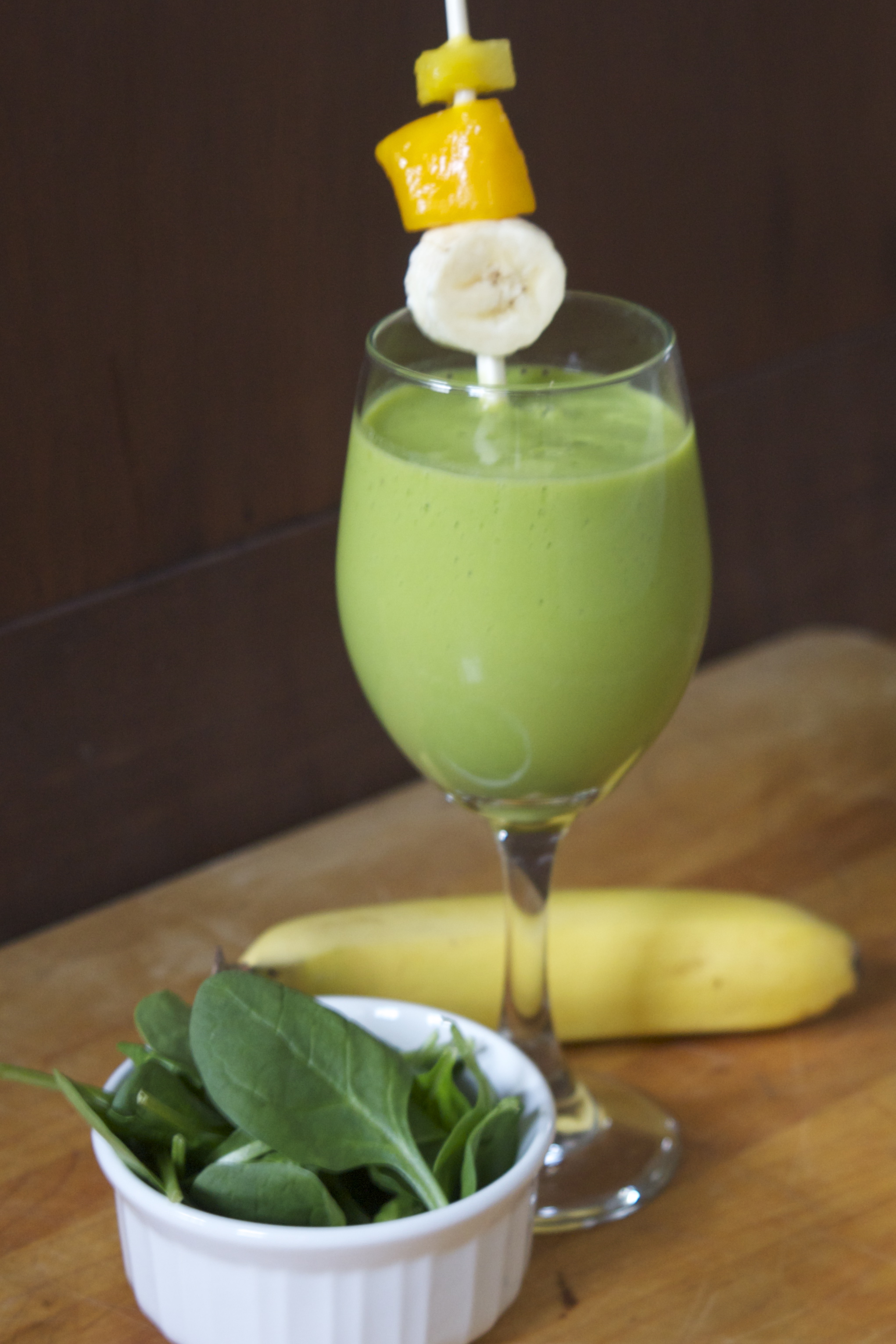
Breakfast: I plan to start the day with herbal tea and a hearty Green Smoothie containing fruits (banana, berries), veggies (greens), raw almond butter (newly found at Trader Joe’s), and raw hemp milk (see recipe below). I’ll continue my philosophy that a healthy high-calorie breakfast will bring you nothing but glory throughout the day. Many raw foodists eat an entire watermelon and 15 bananas for breakfast. That sounds dreadful. Other ideas that sound way better (to me at least…):

Snacks: I plan to chow on raw nuts, fruit, veggies, and my Pulp Crax dipped in raw hummus or spread with mashed avocado. Perhaps some dried fruit or a Larabar.

Lunch: Large fresh veggie salad topped with raw seeds, cold-pressed olive oil (raw foodists like this brand, although I’ll probably stick with the cold-pressed one in my pantry for this 3-day experiment), a teeny tiny bit of apple cider vinegar (can’t find any other easy-to-find vinegars that are raw), and sea salt.

Dinner: Raw soup, warmed up with the spin of the Vitamix. Check out all these raw soup recipes. The Carrot Ginger and Cream of Mushroom look especially tasty. Or, I may go for Skinny Dish’s very own Gazpacho a la Shepherd Street using apple cider vinegar instead of red wine vinegar, omitting the croutons, and doubling up on the avocado. Plus, some raw almonds on the side or crumbled on top.

Dessert: 1 or 2 dates stuffed with raw almond butter. Divine! I tried this recipe for Raw Cookie Dough SHAPE Magazine a while back using raw agave instead of honey & maple syrup. It totally rocked!

Night-time Snack: I have one of these every night, and I can’t imagine that that urge is going to go away with the powers of a raw diet, although I’m totally open to being surprised. I will *plan* on having some fruit and a mini “trail mix” of dried fruit and raw nuts along with my herbal tea.

Doesn’t sound too bad, right? Raw diets claim to give you more energy, better clarity, greater euphoria, better sleep, and even better sex.

For today, happy green foods and St. Patrick’s Day! I’ll see you tomorrow for more green and more raw 🙂
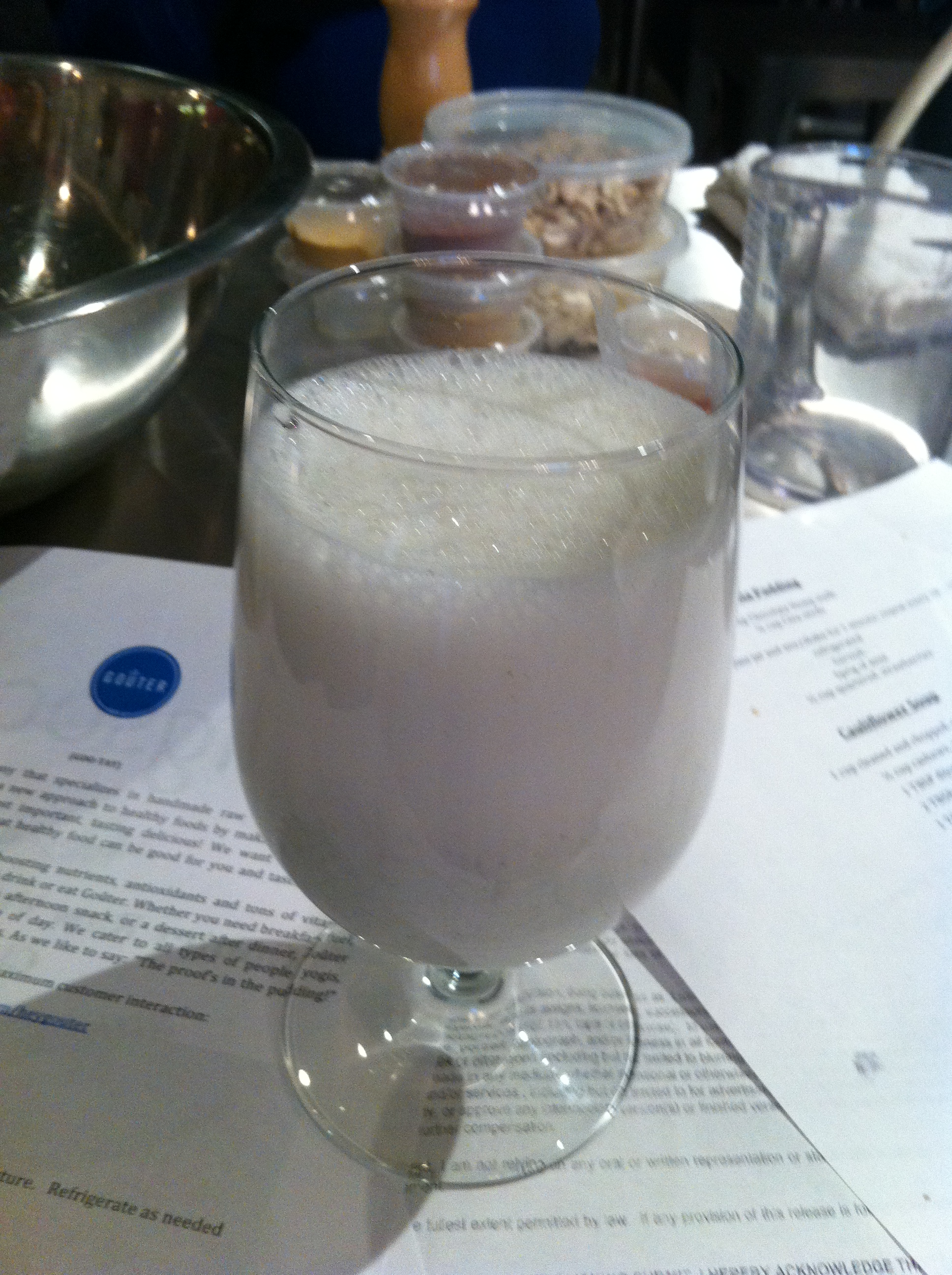
hemp milkRaw Hemp Milk

1 cup raw hemp hearts
4 cups chilled water

Blend for 30-60 second until milky white and smooth. Store in fridge for up to 7 days. Makes 4 cups.
5 Tips for Great Skin

Skin-Healthy Fruits & Veggies

Battling acne, worried about wrinkles, skin looking blah, or wondering what to do to prevent skin cancer? Foods to the rescue, of course! Here are 5 nutrition tips to help you tackle them all:

1. Dairy foods (milk, yogurt, sour cream, cheese, ice cream, frozen yogurt, etc.) and refined carbs (sugar, candy, soda, white pasta, white bread, white rice, etc.) with their resulting insulin spike are really, really good at making pimples. Drop both for 3 weeks and see your skin clear up.  More on the whys here.

2. Get enough protein, and get it from plants to help prevent and reduce the appearance of wrinkles. Skin is made of protein, and an adequate supply is needed to prevent its deterioration. Your daily protein needs are based on your body weight and are equivalent to your body weight in lbs X 0.36. So, a 180-lb. person needs 65 grams of protein a day. But, you can’t eat it all at once — it should come at 15-20 gram increments throughout the day. Plant proteins are best because they’re moderate while still being sufficient in protein (too much protein harms your kidneys, bones, and encourages weight gain), and some are rich in another wrinkle-destroying diva: Vitamin E. Vitamin E is highest in sunflower seeds, almonds, peanuts, and spinach. Vitamin E also protects your skin from melanoma. Eat up!

3. Omega-3 Fatty Acids aren’t just important for heart health. A study in the American Journal of Clinical Nutrition showed that a eating Linoleic Acid-rich foods (walnuts, flaxseeds, and flaxseed meal) greatly reduces wrinkle formation and may even help eliminate wrinkles that have already formed. Use flaxseed meal as an egg substitute in baking and French toast, or toss it into smoothies or cereal. Wrinkles be gone!

4. Upping your intake of Red, Orange, Yellow, and Dark Green fruits and veggies by just 1 serving a day is likely to make your skin look healthier and more attractive in just 6 weeks. A study done with Scottish college students showed exactly that. The antioxidants and rich pigments in colorful fruits and veggies — specifically beta-carotene an lycopene — greatly affect skin tone and encourage rosier, healthier-looking cheeks and skin. A Bonus: These veggies and fruits are also rich in Vitamin C, which helps prevent the free-radical damage responsible for most skin cancers. As a goal, try for 4 servings of veggies and 3 servings of fruit each day. Rainbow power!

5. Aside from wearing your SPF while all the while still getting adequate Vitamin D, Caffeine may actually help you prevent skin cancer. Research from Harvard’s Nurses Health Study showed a 20% decreased risk in women who drank 3 or more cups of coffee a day. Research still emerging on this one, but coffee drinkers may just be ok afterall.

See recipes here for ideas on including all these tips in your food day.

Celery Root: The Unsung Vegetable Hero

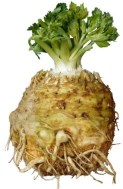
Celery Root by Lee Court Farms, found on WiveswithKnives.net

Guest Post by Robyn Selman

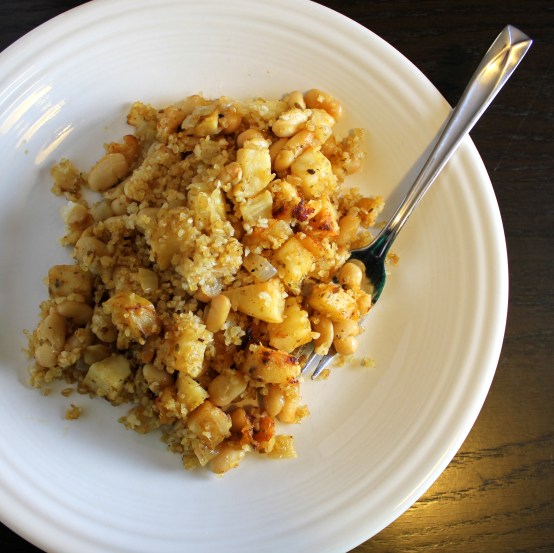
You don’t see recipes for celery root (celeriac) very often. It’s definitely one of the ugly ducklings at the produce stand. But once you peel off that gnarly brown exterior (resembling the surface of the moon), you get a low-starch, low-calorie root vegetable that smells and tastes like a mixture of celery and parsley, and is a champion source of fiber, potassium, and cancer-fighting antioxidants. When baked until tender, the texture reminds me of cooked carrots. I always find myself turning to Mark Bittman’s cookbooks when I want to cook with a less familiar vegetable, and I was not disappointed with this recipe. Gratins with root vegetables make perfect winter meals, especially when you add beans and whole grains to make them really filling.

White Bean and Celery Root Gratin with Bulgur Crust
Adapted from Mark Bittman – How to Cook Everything Vegetarian
Serves 4

½ cup fine-grind bulgur
¼ cup extra virgin olive oil, plus more for greasing the baking dish and drizzling
1 ½ pounds celery root, peeled, and cut into 1-inch cubes (about 2 cups)
1 onion, chopped
Salt and freshly ground black pepper
2 garlic cloves, chopped
2 cans cannellini (white kidney) beans, drained but still moist, liquid reserved
1 teaspoon sweet or Spanish smoked paprika
2 teaspoons chopped fresh marjoram leaves or 1 teaspoon dried or fresh oregano

Photo by Robyn Selman

Put the bulgur into a heatproof bowl and pour 1 cup boiling water over the top. Stir, then cover with plastic wrap and let sit for 15-20 minutes. Once the water has absorbed, fluff with a fork, drizzle with a little oil, season with salt and pepper, and set aside.

Lightly oil a 2-quart soufflé dish, gratin dish, or a 9×13 inch baking pan and set aside.

Preheat oven to 400 °F.

In a large deep skillet, add 3 tablespoons of oil and heat over medium heat. When hot, add the celery root and cook for about 8 minutes, until it starts to brown. Add the onion and some salt and pepper and cook for another 3 minutes or so, until the vegetables are soft and golden brown.

Off heat, stir in the garlic, beans, paprika, and herbs. Add some of the reserved bean liquid if it seems dry (it should resemble a thick stew). Taste and season with more salt and pepper if needed.

Spread the bean and vegetable mixture into the pre-oiled pan. Top evenly with the bulgur and drizzle a little olive oil over the top. Bake for 45-55 minutes, or until the edges and top are browned and bubbling happily. The time might vary depending on how deep your baking dish is.

Serve immediately or let rest for up to an hour and serve at room temperature.

Notes:
If you can’t find finely ground bulgur at your store (I couldn’t), then you should just buy regular bulgur and grind it yourself in a coffee or spice grinder at home. The first time I made this recipe I did not grind it and I was sorry. The bulgur pieces became so hard from baking that it hurt my teeth to bite down on them. So I made it again, this time grinding it first in my small coffee grinder reserved for spices until it looked similar to fine bread crumbs, and the result was MUCH better. Just goes to show that recipe instructions are chosen for good reasons and I should really pay attention to them!

Don’t have celery root? Other vegetables you can use include: potatoes, parsnips, eggplant, cauliflower, broccoli, fennel, carrots, summer squash, green beans, asparagus, or cabbage.

Robyn Selman is a recovering “picky eater.” After eating pre-packaged, processed foods her whole life she decided to make the switch to fresh, homemade meals and has never looked back. Now she approaches cooking with the mindset of “the more vegetables, the better” and loves trying out new recipes. She tries to buy local whenever possible and loves Community Supported Agriculture. Her life happily revolves around her work, her husband, and their crazy cat. She loves board games, hiking, dancing, good books, and good coffee. You can read more on her blog, Robyn Cooks.

Vitamin D DanDy

Photo by: Barry Bridges

Are you feeling unexcited about your recent lottery win, or less energized about the energizing aspects of your life? If so, it may be time to load up on vitamin D. New stats show that 70% of Europeans have low Vitamin D levels, and I was reminded of this potential as I gazed out my window this morning at a snow-covered yard and a sun-deficient sky. Also known as the “sunshine vitamin,” vitamin D is produced when ultraviolet (UV) rays from sunlight strike your skin. It’s found naturally in very few foods, added to some foods, and also available as a supplement.

SPF 8 and glass windows block vitamin D’s synthesis, darker skin produces less vitamin D with sunlight exposure, and cloud cover and shade reduce UV rays by about half, which is why it’s no surprise that many, many “I used to have energy” folks are coming up short this time of year. If you live at 42 degrees north latitude (I’m talking to you, northern Cali to Boston!), UV energy is insufficient from November through February. Once summer hits, it’s crucial to soak up a little bit of sun to refuel your tank.

How much do you need?
Just 5-30 minutes of summer sun from 10 AM – 3 PM twice a week to your face, arms, legs, or back without sunscreen will do the trick. You make about 20,000 International Units (IU’s) with just 20 minutes of summer sun. If you go the supplement route—necessary in winter months—the recommended intake is 400-1000 IU’s per day. However, some doctors and researchers recommend 2,000-4,000 IU’s daily for people with normal levels, and 5,000-10,000 IU’s daily for people with below normal levels. Vitamin D2 (Ergocalciferol, a synthetic form of D) is less bioavailable than Vitamin D3 (Cholecalciferol, animal-derived, and the kind that the sun makes in your skin), which means you need more D2 than D3 to increase your blood levels of Vitamin D when sunshine isn’t around.

Why is D so essential?
Bones need it for calcium absorption, and it’s also critical for neuromuscular and immune function, reduction of inflammation, and may be helpful in preventing cancer of the breast, ovary, colon, and prostate, and improving mood, depression, and energy levels especially during winter-time months. Plus, vitamin D research is getting close to proving it’s key role in preventing and treating type 1 and type 2 diabetes, insulin resistance and glucose intolerance, heart disease, high blood pressure, multiple sclerosis, and other medical conditions.

Anything else?
A brand spankin’ new study just found that adequate Vitamin D could reduce inflammation and aging of the eyes as it improves retina health. Plus, previous studies have found Vitamin D deficiency to be a complication with liver disease and linked with increased risk of asthma among African American kids. Adequate Vitamin D levels are crucial for cancer prevention and survival, and are even pointing to increased survival among elderly women. For more info on D facts and figures, check here.

Where to Get It in the Winter
Many foods are fortified with Vitamin D, and say so on the label: Super sources are non-dairy milks including Earth Balance Soymilk which contains more Vitamin D than other non-dairy milks (120 IU’s per cup compared to 100 IU’s per cup). Non-dairy milks are also fortified with Calcium, Vitamin A, and Vitamin B12.

So where do you get your D? Time for a sunny vacation perhaps?

And We’re Off! Detox Day 1 with Green Apple Juice Video

Here we go! I feel great already, how about you?

So, yes, I (too) ate a big fat peanut butter sandwich last night on some thick, thick bread. It was DIVINE, but now that that’s over, let’s get ’em!

To start out Day 1, here’s a quick video of the Green-Apple Juice in a juicer (ignore my 6-year-old daughter who thinks she’s Inspector Gadget). I do prefer this concoction juiced vs. blended, but blending is perfectly wonderful too. If you’re blending and you don’t have a high-power blender like a Vitamix or a Blendtec, the first thing you need to do is put one of those on your 2012 holiday wish list. Or, perhaps you need to think about rewarding yourself at the end of this Detox with one of those. The next thing you need to do is if you don’t think your blender can handle the raw apple and leafies even with the 4-8 ounces of water and ice, consider using a food processor for the veggies and apples, and then blending that concoction with the water and ice. It can’t hurt.

Juice vs. Blend? Check this quick info by my pal Kris Carr of Crazy Sexy Life. She talks chlorophyll and alkalinity–it’s worth a read. And as for types of juicers, I was given the Jack Lalanne Classic Juicer as a brand new hand-me-down, and I really like it. It runs about $100 if you buy it from their website. Just an FYI. Please feel free to share juicing/juicer/blender/blending tips if you have them. As another FYI, I use my Vitamix daily (smoothies, soups, hummus, dips, etc.–I even got rid of my food processor!), and my juicer once or twice a week. Not saying that’s what everyone should do, but just facts on one nutrition professional’s appliance usage.

Still feeling good? Hungry? This day is by far the hardest, but you can TOTALLY do this. Don’t forget, however, that you can increase your serving sizes of Detox food if you’re feeling like you’re really low on calories. Add fresh fruit, raw nuts and seeds, or an avocado for quick, extra energy.

Good luck today! Please don’t forget to laugh, taste and savor every morsel and sip, and let us know how you’re doing — use the Comments section to share and question! XOXO

Coffee Consumption Lowers Risk of Skin Cancer

5 AM Latte

A new study from Harvard’s Nurses’ Health Study found that after examining the dietary habits of nearly 73,000 nurses from 1984 to 2008, women who consumed 3 or more cups of coffee per day had a 20% lower risk of developing Basal Cell Carcinoma (BCC), the most common form of skin cancer. Men had a 9% reduction in risk, and no connection was seen for either women or men for Squamous Cell Carcinoma (SCC) or the rare but potentially fatal melanoma.

Coffee’s protective effect appears to be related to the caffeine, so decaffeinated coffee showed no protective effect. While BCC is rarely fatal, there may be consequences of treatment, including disfigurement. Plus, developing any kind of cancer increases the risk for developing other cancers–in this case, other skin cancers, lymphoma, and testicular cancer. Read more about the research here.

Need a delicious way to enjoy your morning joe? Try this heavenly 5 AM Latte!

Top 10 Reasons to Eat Avocados

Photo Credit: Cyclonebill

What is it about the “alligator pear” that makes them so totally luscious, versatile, and hard to pass-up? Here’s a top 10 compiled by you, me, and some professional avocadists:

10. They’re the perfect baby food. Who doesn’t like baby food?
9.   They put the smooth in a green smoothie.
8.   They’re loaded with vitamin E, knocking out free radicals which can otherwise damage cells and DNA, and lead to wrinkles and cancer.
7.   Despite their high fat content (11 grams per half an avocado), they help to control weight and appetite because the fat is super digestible.
6.   Their color is pretty. Pretty foods make YOU pretty.
5.   They’re a yin food. Yin foods are cooling, calming, and nourishing.
4.   Guacamole, namely the kind that turns my husband into a cute version of profesh chef Bobby Flay. It uses onion, tomato, lime, and salt. And speaking of, about 53 million pounds of guacamole are eaten on both Super Bowl Sunday and Cinco de Mayo. That’s enough guac to fill a football field 5 feet deep from end zone to end zone.
3.   They’re a fantastic sandwich “moist-maker.”
2.   They’re heart-healthy, rich in cholesterol-lowering fats, potassium (60% more than bananas), B-vitamins, and essential fatty acids.
1.   They’re considered the world’s healthiest food, rich in 20 vitamins and minerals and all the essential amino acids. If you were stranded on a deserted, avocado-rich island, you would thrive until your rescue.

Other reasons to love avocado?

Cow-less Milk

Photo by: Tasty Yummies

Milk alternatives are on the up and up, and with them, our health. Here is a cool rundown of the main milk alternatives (almond, coconut, hemp, rice, and soy) and their pros and cons by dietitian Eliza Zied.

Personally, I like protein-rich unsweetened soy milk in my cereal and vanilla almond milk in my latte, and my kids down vanilla and chocolate versions of both like they’re going out of style. As for “too much soy”, up to 25 grams a day of soy protein is incredibly heart-healthy and wildly cancer-preventative. One cup of soymilk has 7 grams of soy protein. And if you’re wanting to replace buttermilk in a recipe, you must mix 1 cup soymilk with 1 Tbsp lemon juice until it curdles. Since protein is necessary for the desired curdling, it won’t happen with the lower protein milk alternatives.

While slightly harder to find (go to a health food store or Whole Foods Market), other great dairy alternatives include oat milk and hazelnut milk as well as multigrain milks. Oat milk is higher in calories (130 per cup of the Original variety), but moderate in protein (4 grams per cup) and fiber (2 grams per cup), and higher in sugar (19 grams per cup of the Original variety). Hazelnut milk has 110 calories, 2 grams protein, and 14 grams sugar per cup of the Original variety. And if you’re feeling extra daring, you can make your own non-dairy milks, which is far easier than trying to make your own dairy milk. Here’s a great step-by-step for homemade almond milk. Cheers to health and cheers to life!

Other whens and hows with dairy alternatives?

Meat and Dairy-Free Diet Reduces Risk of Chronic Diseases Considerably

Chili Cook-Off by Bitchin' Dietitian

Couldn’t have said it better myself. In a report issued to all military police in the UK, physicians explain how simply ditching dairy foods and meat could drastically reduce the most serious chronic diseases. Dr. Caldwell Esselstyn who directs the cardiovascular prevention and reversal program at the Cleveland Clinic explains that on plant-based diets, patients lose weight, blood pressure normalizes, and type 2 diabetes improves or resolves, as do angina, erectile dysfunction, and peripheral vascular and carotid disease.

“We are potentially on the cusp of what could be a seismic revolution in health. This will never come about from another pill, another procedure, another operation, or construction of another cardiac cathedral. It will come about when we are able to show the public the lifestyle that will halt and eliminate 75% of these common, chronic killing diseases. The most essential component of this lifestyle is whole food plant-based nutrition.” Read more and all about it here.

Start with a few veggie-only days per week and you’ll soon see… whole wheat pancakes for breakfast, veggie chili for lunch, and a bean and rice fajita burrito for dinner isn’t so hard or bad… in fact, it’s pretty divine.

Spice Up Your Broccoli and REALLY Kick Cancer to the Curb

Photo by: Mr. Beaver

Aside from it’s cute look and great taste, many people eat broccoli for its cancer-fighting power.  And now, a new University of Illinois study found that eating spicy foods rich in the enzyme myrosinase such as broccoli sprouts, mustard, horseradish, or wasabi with broccoli ensures better and faster absorption of broccoli’s cancer-fighting compound called sulforaphane.

Other foods that enhance broccoli’s beneficial breakdown include arugula, radishes, cabbage, watercress, and Brussels sprouts. The scientists recommend 3 to 5 servings of spiced up broccoli per week to get the maximum cancer-kicking benefit. But it can’t hurt to have it 3 to 5 times a day either!