50 Sweet and Salty 100-Calorie Snacks

100Need something but don’t want to totally blow it? Here are 50 sweet and salty snack ideas adapted from and added to a list on Greatist.com. These little minis just might take the edge off until the next meal.

SWEET ACTION

    1. Larabar or Pure Energy Organic bar of choice: Half the bar, or 1 Larabar mini-bar
    2. Grapes: 1 cup, fresh or frozen. Freezing makes you eat them more slowly
    3. Chocolate Banana: 1/2 frozen banana dipped in 1 square melted dark chocolate
    4. Latte Love: 8 ounces steamed vanilla almond milk with 1 shot espresso
    5. PB Apple: 1 small organic gala apple, sliced and dipped in 2 teaspoons peanut butter
    6. Shredded Frosted Mini Wheats: 20 of ’em
    7. Barbara’s Cinnamon Puffins cereal: 50 (a little less than 1 cup)
    8. Mini PB&F: One fig newton with 1 teaspoon peanut butter
    9. Spiced Orange: One orange— about the size of a tennis ball— sprinkled with cinnamon
    10. Grilled Pineapple: 2 ¼-inch thick pineapple rounds (about 1 cup), grilled (or sautéed) for two minutes or until golden
    11. Berries n’ Cream: 1 cup blueberries with 2 tablespoons non-dairy whipped topping
    12. Oats n’ Berries: ⅓ cup rolled oats (cooked with water), topped with cinnamon and ¼ cup fresh berries
    13. Dark Chocolate: One block, or three squares
    14. Chocolate Chia Pudding: 1/2 serving
    15. Nut-Stuffed Date: One Medjool Date filled with one teaspoon natural unsalted almond butter
    16. Cinnamon Applesauce: 1 cup unsweetened
    17. Grapefruit: 1 large, sprinkled with Truvia if needed
    18. Milk n’ Cookies: 6 animal crackers with ½ cup vanilla almond milk
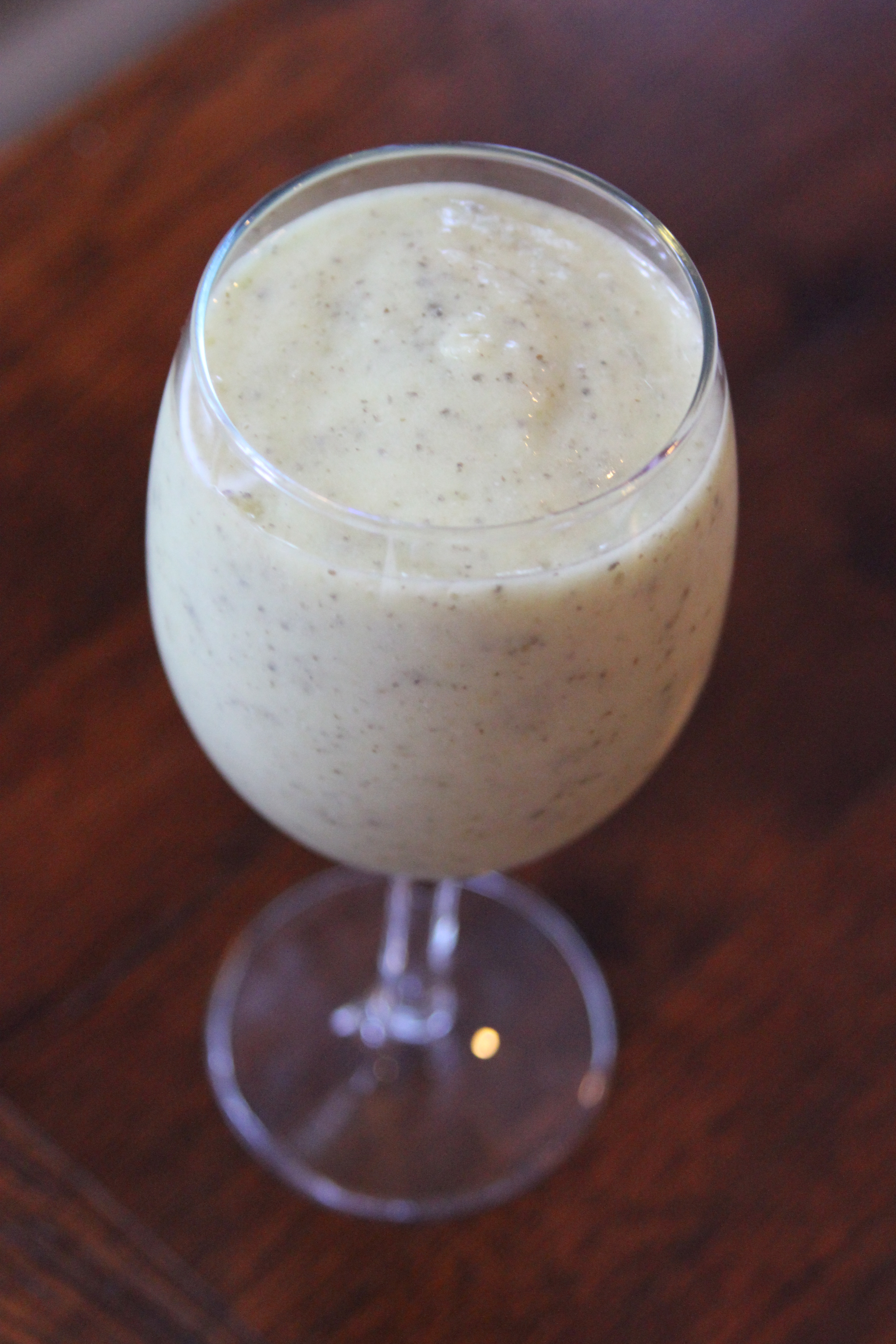
    19. Shamrock Smoothie: 1 cup
    20. Jelly Beans: 25 of ‘em! Although reserved only for the worst sugar-craving moments
    21. Apple Chips: ¾ cup
    22. PB Graham: 1 large graham cracker smeared with 1 teaspoon peanut butter
    23. Just Mango: 1 oz dried mango snack bag from Just Tomatoes, etc!
    24. Clementines: THREE!
    25. Strawberries: 25 medium ones, sliced & sprinkled with Truvia for extra sweetness

SALTY DOG

  1. Trader Joe’s Mesquite Smoked Seasoned Almonds: 15
  2. Carrots n’ Hummus: About 10 baby carrots with 2 tablespoons hummus.
  3. Pistachios: A couple handfuls— about 25
  4. “Cheesy” Breaded Tomatoes: 3 roasted plum tomatoes sliced and topped with 3 tablespoons breadcrumbs and a sprinkle of nutritional yeast.
  5. Curried Sweet Potato: One medium sweet potato cooked for 6 minutes in the microwave, mashed with 1 teaspoon curry powder, & a sprinkle of salt and pepper
  6. “Cheesy” Popcorn: 2 cups air-popped popcorn with 1 tablespoon nutritional yeast— tastes like real cheese!
  7. Soy Edamame: 1/2 cup boiled Edamame with 1 teaspoon soy sauce
  8. Dijon Pretzels: 2 ½ pretzel rods with 1 tablespoon Dijon mustard
  9. Kale Chips: 1 cup raw kale— stems removed— baked with 1 teaspoon olive oil at 400° until crisp
  10. Sweet Potato Fries: 1 medium sweet potato sliced, sprinkled with 1 tsp olive oil, & baked at 400° for 10 minutes
  11. Cucumber Sandwich: ½ English muffin with 2 tablespoons olive hummus & three slices of cucumber
  12. Mixed Olives: About 8
  13. Toasted Pumpkin Seeds: 2 tablespoons pumpkin seeds, sprayed with oil (just a spritz!) & baked at for 400° for 15 minutes or until brown. Sprinkle with kosher salt
  14. Balsamic Veggies: 3 cups raw peppers (any color!) dipped in 2 tablespoons low-fat balsamic vinaigrette
  15. Cucumber Salad: One large cucumber (sliced) with 2 tablespoons chopped red onion and 2 tablespoons apple-cider vinegar
  16. Crunchy Raw Kale Salad: 1 cup kale leaves chopped with 2 tablespoons balsamic vinaigrette
  17. TJ’s Roasted Seaweed Snack: 1 1/2 packages!
  18. Chick Pea Salad: 1/3 cup chickpeas (garbanzo beans) with 1 tablespoon sliced scallions, a squeeze of lemon juice, and ¼ cup diced tomatoes
  19. Grilled Garlic Corn on the Cob: One small-sized ear brushed with 1 teaspoon sautéed minced garlic & 1 teaspoon olive oil, grilled until tender
  20. Chips n’ Salsa: 10 baked tortilla chips with ¼ cup salsa
  21. PB & Celery: 1 medium celery stalk with 1 tablespoon peanut butter
  22. Rice Cake & Almond Butter: 1 lightly salted rice cake with 2 teaspoons almond butter
  23. Old Bay Beans: 1/3 cup chick peas baked for 10 minutes at 350° with Old Bay Seasoning
  24. Goddess Veggies: Countless raw veggies dipped in 2 tablespoons Goddess Dressing
  25. Popchips: 1 snack-size bag of the plain potato variety

Cheers until the next feeding!
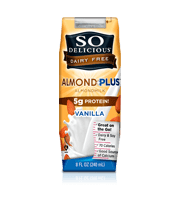
Product Review: Almond Milk with Added Protein

Ran into this Almond Plus single-serve almond milk by So Delicious at Whole Foods the other day and couldn’t resist the spontaneous purchase. Most non-dairy milks–except soymilk and to some degree oat milk–are devoid of protein, making them simply a great calcium and Vitamin D source, but a less-balanced addition to a meal. Ta da! So Delicious Inc. rocks the boat! Their new “Almond Plus” comes in Unsweetened (40 calories, 1 g carbohydrate, 5 g protein/ cup), Original (70 calories, 8 g carbs, 5 g protein), and Vanilla (70 calories, 8 g carbs, 5 g protein). Get it in the half-gallon or get the single-serve vanilla for lunches. The Vanilla is as you would expect: SO Delicious. And for the carb-conscious, it’s lower carb than skim milk and tastes like a milkshake. Magic! And btw, it has pea protein. That can only be good.

Look for it at your local Whole Foods Market or health food store. Bottom’s up!

Ch-Ch-Ch-Chia!

As a child, 1982 was the year I yearned for a Chia Pet. I wanted the ram. I didn’t even know what a ram was, but I wanted it. It was the commercial that won my heart, with it’s catchy tune and fancy time-lapsed photography. Who knew that 30 years later, Dr. Oz’s team and even Nuts.com (one of my favorites) would be all over their nutritional benefits.

Chia seeds (‘chia’ is actually Mayan for “strength”)–which were used widely by the Mayans and Aztecs as early as 3500 BC to increase stamina and energy–are a SUPER superfood because they have a crazy high amount of nutrients for a crazy low amount of calories. And unlike chia’s friend the flax seed (also a Super), they don’t have to be ground to reap the benefits.

Chia seeds are high in:

  • Soluble fiber: the one responsible for lowering LDL (“bad”) cholesterol, filling you up, and keeping you full for a scarily long amount of time. It absorbs 12 times its own weight in 5 minutes. Take THAT, “Grow Your Own Boyfriend“!
  • Calcium: 16% of your daily requirement per ounce (2 tablespoons), which is 3 times the amount you’ll get from dairy foods
  • Omega-3’s and Omega-6’s: Chia is a more concentrated source of skin- and heart-healthy essential fatty acids than salmon
  • Protein: 6 grams per ounce (2 tablespoons)–that’s similar to meat, but it’s a seed!

So how do you eat them? How DON’T you eat them is more the question! You can literally toss a tablespoon or two into anything. They’re tasteless and simply contribute a fun, crunchy texture to your food. Here, I added them to a dessert and a pina-colada-type smoothie with only positive feedback. Here are 40 more ideas. Chia Cheers!

Chia Blondie Ingredients

Chia Blondies
Makes 16 small squares or 9 large squares

1/4 cup chia seeds
1/4 flaxseed meal
1/2 cup filtered water
1 15.5-ounce Trader Joe’s Blondie Bar Baking Mix (or other blondie or brownie mix that bakes in a 9″ X 9″ pan)
1/2 cup melted Earth Balance margarine
1 medium zucchini squash (green or yellow), shredded
1 tsp vanilla extract

Preheat oven to 350 degrees.

Soak chia seeds and flaxseed meal in water in a medium bowl for 5 minutes, until a thick gel forms.

Stir remaining ingredients into chia flax mixture until well mixed.

Spread mixture into a lightly greased 8- or 9-inch square or round baking pan.

Bake for 40 minutes until a toothpick inserted into the middle comes out clean.

Feel your cholesterol dissolving, one bite at a time.

Chia Blondies, made with green zucchini

Nutrition Info Per Small Square (1/16th of recipe): 178 calories, 9 g fat, 3 g saturated fat, 1.5 g polyunsaturated fat, 1.5 g monounsaturated fat, 0 mg cholesterol, 232 mg sodium, 39 mg potassium, 22.5 g carbohydrate, 3.2 g fiber, 13.3 g sugar, 2 g protein, 5% vitamin A, 1% vitamin C, 2% calcium, 6% iron.

Nutrition Info Per Large Square (1/9th of recipe): 317 calories, 15 g fat, 5 g saturated fat, 2.5 g polyunsaturated fat, 2 g monounsaturated fat, 0 mg cholesterol, 412 mg sodium, 68 mg potassium, 40 g carbohydrate, 6 g fiber, 23.5 g sugar, 4 g protein, 10% vitamin A, 2% vitamin C, 4% calcium, 10% iron.

What the critics said:
Bitchin’ Husband: “If I have a second, will my hair grow green?” (Ha ha, Funnyman)
6-Year-Old Daughter: “Two more please!”
4-Year-Old Son: “Mom! You never gave me dessert!” (Trying to get another)
2-Year-Old Son: “I not like this.” Two minutes later: “Why you eat my dessert?!?!”

Chia Colada

Chia Colada
Makes 3 1-cup servings

Chia seeds are rich in soluble fiber, Omega-3 Fatty Acids, & help to lower cholesterol, blood pressure, & promote heart health. Salud!

¼ cup chia seeds soaked in ½ cup filtered water for 5 minutes
1 cup frozen pineapple chunks
1 banana
2 cups refrigerated coconut milk
(or 1 cup canned coconut milk plus 1 cup water)

Blend and do the hat dance.

Nutrition Info Per 1-cup Serving: 202 calories, 10 g total fat, 0 mg cholesterol, 20 g carbohydrate, 10 g fiber, 9 g sugar, 8 g protein, 11% vitamin A, 52% vitamin C, 15% calcium, 34% iron.

Easy-as-Pie Low Sugar Monkey Cake

Light, Fluffy, Rich, Lower Sugar!

Looking for a sweet dessert without the chemicals, weird artificial flavor taste, and without added sugar? Impossible! Forget it! Oh wait. Enter: Monkey Cake.

Sugar–with it’s highly inflammatory, blood sugar-spiking, acne-growing, and teeth-rotting attributes, combined with the fact that it doesn’t even do your laundry–has sent me on a dessert mission. A mission to create a lower sugar baked good that’s not only highly tolerable, but bordering on cravable. This one does it, especially if you’re part monkey. The sweetness comes from bananas and a touch of Truvia, a natural calorie-free sweetener from the stevia plant. The coconut oil–gaining new health praise–adds a subtle tropical kick. Give it a whirl–it’s easy as pie!

Money Cake (Low Sugar)
Makes 12 hunks
Prep Time: 10 minutes
Cooking Time: 40 minutes

2 very ripe bananas
1/2 cup filtered water
3 Tablespoons Truvia Baking Blend (or other stevia leaf extract for baking)
1/4 cup coconut oil, melted, or vegetable oil
1 Tablespoon vanilla extract
2 1/2 cups whole wheat pastry flour (like Bob’s), or 2 1/2 cups brown rice flour (like Bob’s)
1 tsp baking soda
1/2 tsp salt
1/2 tsp ground cinnamon

Preheat oven to 325 degrees.

Mash banana, water, and stevia together, and stir in oil and vanilla until well-mixed.

Sift flour, baking soda, and salt together in a separate bowl. Combine flour mixture and cinnamon with wet mixture by stirring in gradually.

Pour mixture into a greased 9″ x 9″ square or 9″ round baking pan. Bake for 40 minutes, until top is golden brown. Let the cake cool before cutting.

Nutrition Info Per Hunk: 150 calories, 5 g fat, 0 mg cholesterol, 202 mg sodium, 24 g carbohydrate, 4 g fiber, 2 g sugar, 3 g protein, 7% Iron.

The trick with using stevia baking blend in recipes is to substitute it at a 1:2 ratio for sugar. The stevia is sweeter and has a nasty aftertaste if overdone. The original version of this recipe called for 1/2 cup sugar (8 Tablespoons), and 3 Tablespoons of stevia baking blend does the trick without any nasty.

Eggless French Toast that Crushes It

French Toast for Gods and Goddesses

And we’re back! Apologies for the hiatus…  Life got hyperbusy in selling and then buying a new house. ‘Tis tough to sell and then refind the perfect bitchin’ kitchen!

So this recipe has become a twice-a-week staple chez “under contract.” It’s from SKINNY DISH!, but if you don’t have the book, you have got to at least have this one in your arsenal. French toast was originally created as a way to revive old, stale bread (more on its origin here), and I like to think that this cholesterol-free, soluble fiber-full version is not only effective in helping you conquer life with ease and grace, but also a way to revive old, stale breakfasts.

French Toast for Gods and Goddesses
Makes 6 slices (about 3 servings)
Prep and cooking time: 30 minutes

Traditional French toast can be loaded with calories, saturated fat, and cholesterol, weighing you down as you’re taking names and organizing galaxies. Enjoy this cholesterol-free, lower-calorie version, and rule the universe with grace and ease. This recipe uses grapeseed oil for pan-frying because it has a high smoke point—meaning it takes a lot of heat for it to burn. You will add less oil and fewer calories to get the same crispy toast effect.

1 ¼ cups (10 oz) vanilla soy milk, or other non-dairy milk
2 Tbsp flour
2 Tbsp flaxseed meal (ground flaxseeds), or Trader Joe’s (or other) Just Almond Meal
2 tsp cinnamon
2 tsp sugar
3 Tbsp grapeseed oil
6 slices of whole wheat bread

1 Whisk milk, flour, flaxseed meal, cinnamon, and sugar together in a mixing bowl until well-mixed. Pour into a pie dish, or 9-inch square or round baking pan.

2 Heat oil in a large skillet over medium-high heat. Dip each slice of bread into the milk mixture on both sides and place in the skillet. Reduce heat to low, and cook until golden brown, about 20 minutes total, flipping every few minutes to prevent sticking.

3 Serve with pure maple syrup, agave nectar, powdered sugar, or nothing at all.

4 French Toast should be eaten immediately or can be frozen for up to 2 months and toasted for a quick breakfast or snack any time.

NUTRITION SNAPSHOT
Per slice: 195 calories, 10 g total fat, 0.5 g saturated fat, 0 mg cholesterol, 150 mg sodium, 21 g carbohydrates, 3 g fiber, 4 g sugar, 6 g protein, 2% vitamin A, 0% vitamin C, 10.5% calcium, 6% iron

Gluten-Free Version: Use gluten-free bread and almond meal in place of flour

Let’s have a toast for toast! 

Even a Dietitian’s Child Gets Diabetes

Jake in the ER, Chowing down after his first insulin shot

Health Champs and Nutrition Superheroes,

My post today is a personal one. This past week, we found out that my 2 year-old son has type 1 diabetes (the need-insulin-shots-for-the-rest-of-his-life kind). Despite our uber healthy diet topping the charts with veggies, fruits, beans, and whole grains, an autoimmune response to a virus or reason unknown caused my littlest dude’s immune system to attack the insulin-producing cells of his pancreas. When this happens, insulin (which is like the key that unlocks cells’ doors to allow glucose to get in and do its job) can no longer be produced, leaving excessive glucose floating around the bloodstream. A normal body’s pancreas produces just enough insulin to deal with whatever carbohydrate is or isn’t eaten–no thought, shot, or pill needed. The glucose gets into the cells, blood sugars are stable, and none of it requires any extra effort.

As type 1 diabetes is hitting, however, and the insulin-producing cells are being destroyed, the body panics with the extra glucose floating around the bloodstream and reacts by pulling fluid from every store to try and eliminate the glucose through the urine. Dehydration and extreme thirst result. Those are the first signs. The next are usually lethargy and vomiting.

About 5 days before we discovered Jake’s diabetes, he had been asking for more water and urinating more. Not crazy amounts, we just had to change his diaper more often. He was getting over a cold, so of course he was thirstier. He even had a fever one night and I took him to the pediatrician first thing the following morning suspecting an ear infection. But nothing was wrong. Well, once Day 5 hit and he was still asking for “wa wa please” every several minutes (and his grandma also noticed he was cold and his skin looked a little thin), I asked the nurses at my work if they thought anything of his excessive thirst, and asked if I might borrow a glucometer to test his blood sugar levels, just to rule out diabetes. They had seen this before and were worried. They encouraged me to postpone my patients for the day and go home to test his blood sugar, and then I could return if all was well.

His blood sugar level was 560 and then retested at 549. Normal is 100-200 for a 2 year-old. Obviously, it was a faulty machine. I tested MY levels: 73. Crap. Fast-forward past the ER at Children’s hospital, IV fluids to rehydrate him, the official diabetes diagnosis, and a daylong diabetes bootcamp with a diabetes educator to learn how to test blood sugars (I was very awkward in testing his levels at home!), give insulin shots, and manage his meals. All I kept thinking was thank gosh I have the nutrition stuff down because the insulin and blood sugar monitoring was about all the new learning our brains could take!

So, here we are now on Day 3 at home and are getting used to our new ways. We’ve only now realized how much more alive Jake is compared to last week. His body is happy, he laughs and jokes constantly, he’s gained nearly 3 lbs since getting insulin shots because his cells are finally getting the glucose they need, and he’s even telling us which finger to prick for each of his glucose checks. Our days consist of 4 insulin shots, several blood sugar checks to help detect low blood sugar levels (which can be serious)–including 2 while he’s sleeping. My husband and I sneak in there like a diabetes SWAT team with our headlamps and blood sugar checking gear. Most of the time, he sleeps right through! Blood sugar checks also determine what kind of snack he can have: low-carb if his blood sugars are within the normal range, and carby if his blood sugars are low. Our days no longer include enticing desserts to encourage veggie consumption at mealtime, and there are no more meals on the run. Meals MUST be balanced: moderate carbohydrates (about 30-40 grams per meal), protein, and fat. Carbohydrates turn into glucose in the bloodstream immediately, 40% of protein turns into glucose 1-2 hours after consumption, and 10% of fat turns into glucose about 4 hours after consumption. A balanced meal means blood glucose levels are less likely to drop too low between meals. We can do this!

Thanks to our previously healthy habits, the nutrition part of diabetes management is pretty much the same, and any changes have been for the better (we WERE probably getting a little too crazy with the desserts…). Today for lunch, we all had hummus (some carb, some protein, some fat), broccoli (a “free” and healthy food), whole wheat crackers (only a few, so Jake also had a banana to meet his carbohydrate needs), avocado slices (fat), and ice water. The morning snack which would have been pretzels, became a naturally low-carb peanut butter spoon, one of Jake’s all-time favorite treats. We’re all having to change some–We, and my other 2 kids can’t be chowing on foods that Jake can’t have (like pretzels at snacktime) until Jake understands what’s going on. But we’re realizing that his diet is actually just a balanced one that leaves the junk behind. We’ll all be even healthier now!

Obviously, this new life is no walk in the park, and my anti-carb-counting and anti-low-carb days are over. I appreciate both now. But, we are so blessed to have this super cool kid, who can still be a kid and live a healthy, normal life. We’re finding that type 1 diabetes isn’t hard, it’s just more. More to watch and do. So we’ll probably just put off getting that puppy for now… 🙂

Even a dietitian’s child gets diabetes, and even a dietitian’s family can improve their eating habits. Stay tuned for a new tab: Bitchin’ Diabetes! And please share stories and tips.

Peace and balance,

xoxoxo
Jen

Low-Junk, High-Veggie Childhood Diet = Better Adult Health

Child wisely chooses a plum over an albeit healthy homemade donut, while wearing a DISC-related shirt

Seems obvious, no? A child who eats lots of fruit, veggies, brown rice, quinoa, and lentils is likely to be a healthy adult, right? Yes, it’s obvious. But the coolest thing that has just come out of the DISC Study (Dietary Intervention Study in Children) is that a mere moderate increase in high-fiber foods and moderate decrease in high-fat and high-saturated fat foods during childhood and adolescence appears to have a significantly positive impact on how soon and how fast age-related health changes happen in adulthood.

So, the occasional salad bar-eating kid is likely to have better blood pressure and blood sugar control well into adulthood compared to the kid who goes for fries and chicken cosmos every day. While kids seem more resilient to fatty foods, their health destiny is being planned.

Small changes, big results. For ways to get veggies and other fibrous grub into your kids, check here.

Top 10 Reasons to Eat Avocados

Photo Credit: Cyclonebill

What is it about the “alligator pear” that makes them so totally luscious, versatile, and hard to pass-up? Here’s a top 10 compiled by you, me, and some professional avocadists:

10. They’re the perfect baby food. Who doesn’t like baby food?
9.   They put the smooth in a green smoothie.
8.   They’re loaded with vitamin E, knocking out free radicals which can otherwise damage cells and DNA, and lead to wrinkles and cancer.
7.   Despite their high fat content (11 grams per half an avocado), they help to control weight and appetite because the fat is super digestible.
6.   Their color is pretty. Pretty foods make YOU pretty.
5.   They’re a yin food. Yin foods are cooling, calming, and nourishing.
4.   Guacamole, namely the kind that turns my husband into a cute version of profesh chef Bobby Flay. It uses onion, tomato, lime, and salt. And speaking of, about 53 million pounds of guacamole are eaten on both Super Bowl Sunday and Cinco de Mayo. That’s enough guac to fill a football field 5 feet deep from end zone to end zone.
3.   They’re a fantastic sandwich “moist-maker.”
2.   They’re heart-healthy, rich in cholesterol-lowering fats, potassium (60% more than bananas), B-vitamins, and essential fatty acids.
1.   They’re considered the world’s healthiest food, rich in 20 vitamins and minerals and all the essential amino acids. If you were stranded on a deserted, avocado-rich island, you would thrive until your rescue.

Other reasons to love avocado?

Cow-less Milk

Photo by: Tasty Yummies

Milk alternatives are on the up and up, and with them, our health. Here is a cool rundown of the main milk alternatives (almond, coconut, hemp, rice, and soy) and their pros and cons by dietitian Eliza Zied.

Personally, I like protein-rich unsweetened soy milk in my cereal and vanilla almond milk in my latte, and my kids down vanilla and chocolate versions of both like they’re going out of style. As for “too much soy”, up to 25 grams a day of soy protein is incredibly heart-healthy and wildly cancer-preventative. One cup of soymilk has 7 grams of soy protein. And if you’re wanting to replace buttermilk in a recipe, you must mix 1 cup soymilk with 1 Tbsp lemon juice until it curdles. Since protein is necessary for the desired curdling, it won’t happen with the lower protein milk alternatives.

While slightly harder to find (go to a health food store or Whole Foods Market), other great dairy alternatives include oat milk and hazelnut milk as well as multigrain milks. Oat milk is higher in calories (130 per cup of the Original variety), but moderate in protein (4 grams per cup) and fiber (2 grams per cup), and higher in sugar (19 grams per cup of the Original variety). Hazelnut milk has 110 calories, 2 grams protein, and 14 grams sugar per cup of the Original variety. And if you’re feeling extra daring, you can make your own non-dairy milks, which is far easier than trying to make your own dairy milk. Here’s a great step-by-step for homemade almond milk. Cheers to health and cheers to life!

Other whens and hows with dairy alternatives?

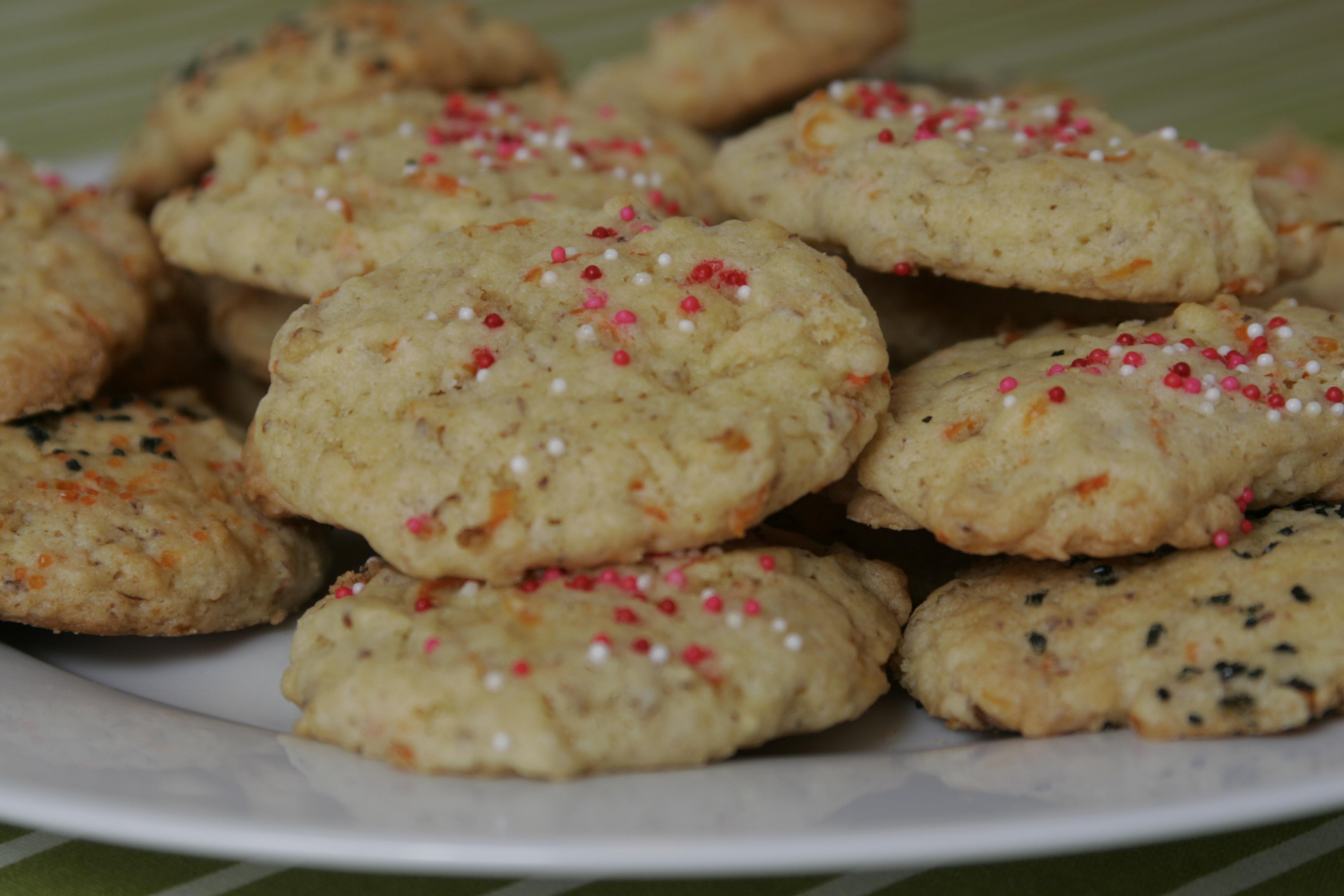
Crazy Carrot Sugar Cookies

Crazy Carrot Sugar Cookies

It was my turn to host my daughter’s playgroup this week, and the kids expect themselves some cookies. Good cookies. So in addition to the zucchini bread (recipe in my Skinny Dish book), hummus plate with Baked Lentil Chips, cherry tomatoes, and carrot discs, strawberry cucumber water (a pitcher of filtered water with strawberry and cucumber slices), sparkling berry lemonade, and white wine on the snack table, I invented a new sugar cookie with help from my friend Betty Crocker.

I had some sugar cookie mix in the pantry which called for 1 stick of softened butter (1/2 cup) and 1 egg. Instead, I added 1 Tbsp softened Earth Balance margarine, 3 Tbsp flaxseed meal gelled with 1/2  cup warm filtered water, 1 cup shredded carrots, 1/4 tsp pure almond extract, and sprinkles. Sure they’re still sugar cookies, but they’ve also got vision-enhancing and cancer-kicking beta-carotene, omega-3 fat- and fiber-rich flaxseed meal, and they’re much lower in fat than Betty intended them to be. And with the almond zing (without the almond allergen) and sprinkles, there’s no need for frosting.

Crazy Carrot Sugar Cookies
Makes 28 good-sized cookies

3 Tbsp ground flaxseed meal (such as Bob’s Red Mill) mixed with 1/2 cup warm filtered water for 5 minutes until a gel forms
1 pkg (17.5-oz) Sugar Cookie Mix (such as Betty Crocker’s)
1 Tbsp softened or melted Earth Balance margarine
1 cup shredded carrots
1/4 tsp pure almond extract (I repeat, this does not contain almonds for the allergenics)
sprinkles (optional, black sprinkles or poppy seeds for Crazy Halloween Cookies)

Preheat oven to 350 degrees. Mix all ingredients together (except sprinkles) in a bowl and drop by spoonful onto a cookie sheet. Top with sprinkles, if using. Bake for 12-14 minutes until very lightly browned.  Cool and chow!

Nutrition info per cookie: 79 calories, 2 g fat, 0.5 g saturated fat, 0 mg cholesterol, 58 mg sodium, 14 g carbohydrates, 0.5 g fiber, 8 g sugar, 1 g protein, 10% vitamin A, 2% iron. 

Were they good? Were the kids fooled? Lemme just say that the plate of 28 was just crumbs after the 2-hour playgroup, and my 3 yr-old son started crying because he only got one. One 6-yr-old boy said “What are these orange things in here?” I was honest, and he responded with “Well, I can see the carrots, but I can’t taste them. They’re actually good!”

For more crazy dessert ideas try the black bean brownies and kale cake–all hits with the youngin’s.